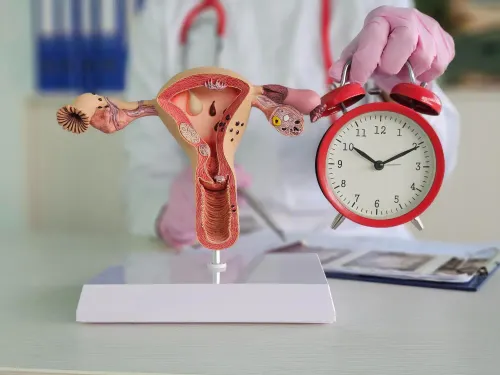
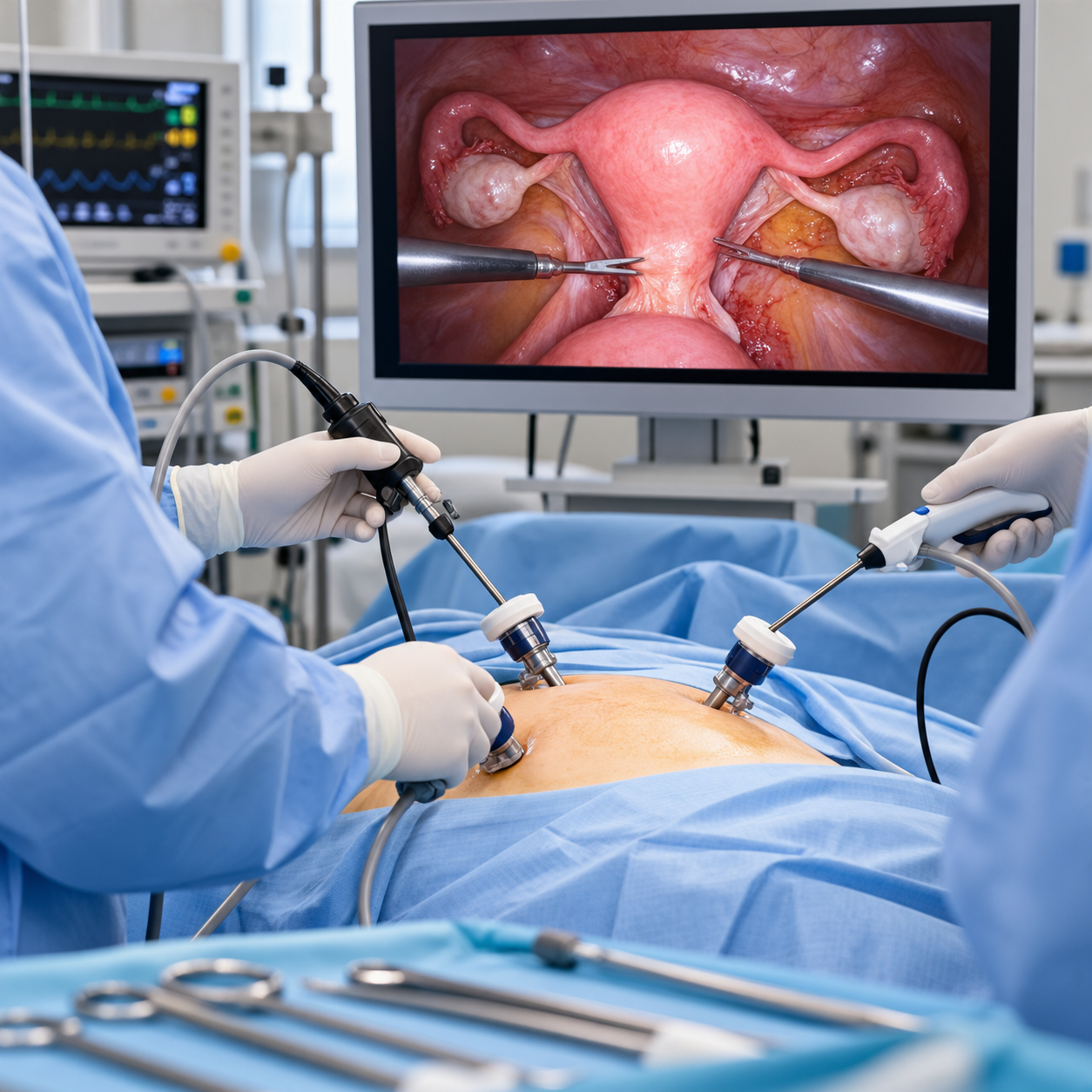
A hysterectomy is an operation to remove the uterus. It may provide lasting relief for selected uterine conditions, but it is a major and irreversible decision. After the uterus is removed, menstruation stops and pregnancy is no longer possible.
The operation should therefore follow a clear diagnosis, careful discussion of alternatives, and an explanation of exactly which organs will be removed.
Why a Hysterectomy May Be Recommended
Possible reasons include:
- Fibroids causing persistent bleeding, pain, or pressure
- Heavy bleeding that has not improved with suitable alternatives
- Adenomyosis
- Uterine prolapse
- Selected cases of severe endometriosis
- Precancerous changes
- Cancer of the uterus, cervix, or another reproductive organ
- Chronic uterine pain in carefully evaluated cases
Hysterectomy is not automatically required simply because fibroids are present. Symptoms, fibroid location and size, age, fertility plans, prior treatment, and cancer risk all influence the recommendation.
Understanding What Will Be Removed
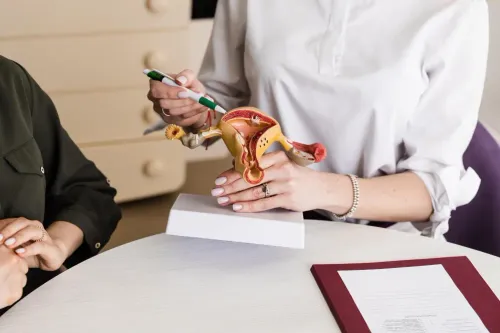
A total hysterectomy removes the uterus and cervix. A supracervical or subtotal procedure leaves the cervix in place. Removal of the fallopian tubes or ovaries is a separate decision.
The ovaries produce hormones and are not necessarily removed during hysterectomy for a benign condition. Whether they should be retained depends on age, ovarian health, family history, cancer risk, and the reason for surgery.
Patients should ask for the planned organ removal to be explained plainly rather than assuming that every hysterectomy is identical.
Comparing Surgical Routes
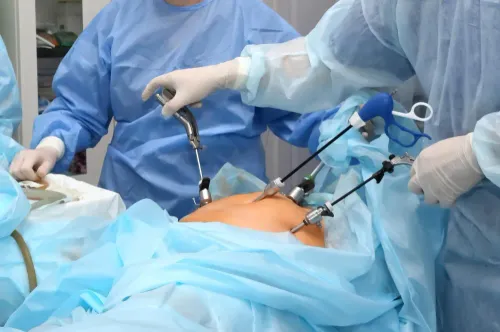
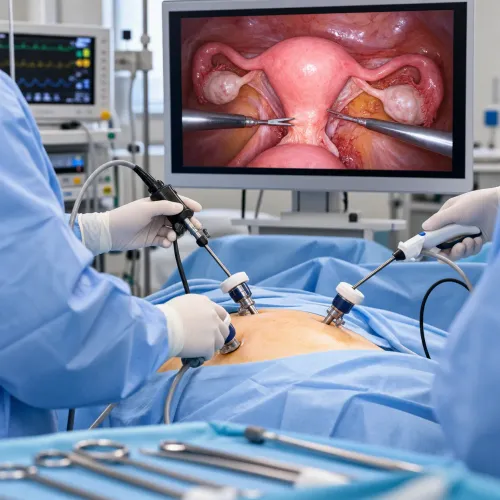
Hysterectomy can be performed through the vagina, by laparoscopy, or through an abdominal incision. The route depends on uterine size, diagnosis, previous operations, pelvic anatomy, associated procedures, and surgical judgment.
Recovery often differs by route. Information from the Office on Women’s Health notes thatabdominal, vaginal, and laparoscopic approaches are used according to the patient’s health history and reason for surgery.
A smaller incision may offer recovery advantages, but clinical safety and complete treatment remain the priorities.
Alternatives Worth Discussing
Depending on the condition, alternatives may include medicines, hormone-releasing intrauterine systems, hysteroscopic treatment, myomectomy, endometrial procedures, or careful observation. Not every alternative is suitable for every patient.
Ask what could happen if treatment is delayed and whether the proposed alternative is likely to provide temporary or lasting improvement. Women who want future pregnancy should discuss fertility-preserving options early.
Preparing for the Consultation
Bring ultrasound or MRI reports, biopsy results, prior prescriptions, cervical-screening records, and details of previous surgeries. Prepare questions such as:
- What is the confirmed diagnosis?
- Why is hysterectomy recommended now?
- Can the ovaries be preserved?
- Which surgical route is proposed?
- What are the individual risks?
- How long might recovery take?
- Will I need continued cervical screening?
- What symptoms should prompt urgent review after surgery?
Selecting Appropriate Surgical Care
Women considering hysterectomy in Navi Mumbai should look for a consultation that explains benefits, alternatives, organ preservation, anaesthesia, recovery, and possible complications without creating pressure.
Dr Agrawal Clinic Nerul Navi Mumbai can review symptoms and existing reports to determine whether additional investigation is needed before a surgical decision. The recommendation should be based on the condition and the woman’s priorities, not on a single scan finding.
Hysterectomy can significantly improve quality of life when performed for an appropriate indication. A sound decision is one made with realistic expectations, informed consent, and a clear understanding of both surgical and nonsurgical choices.
Keywords