
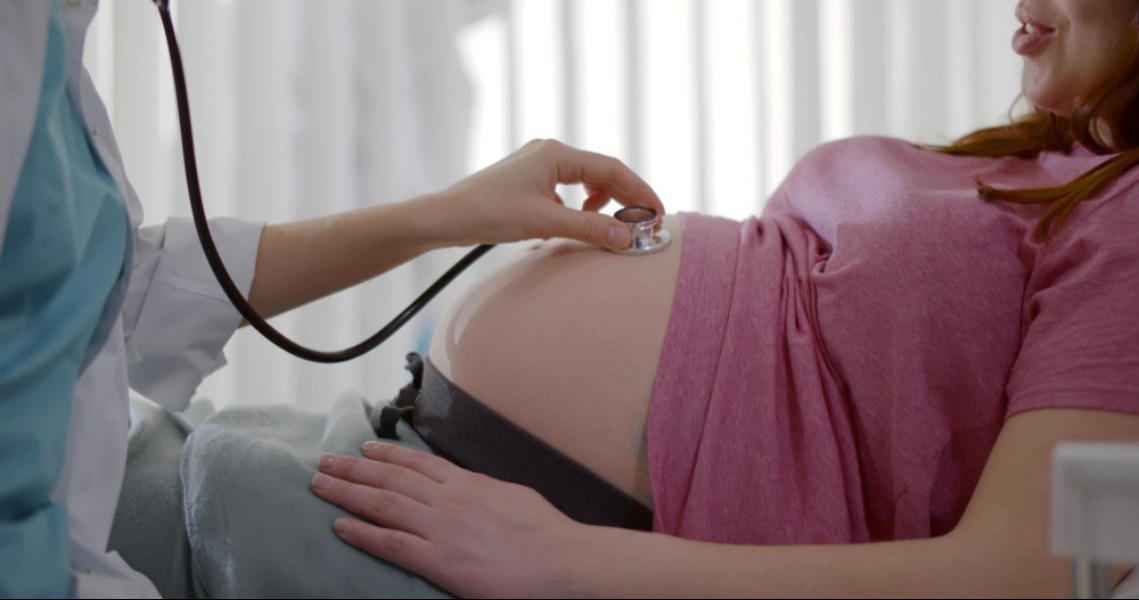
A pregnancy may be described as high risk when the mother, baby, or both require closer monitoring than usual. The term can sound alarming, but it does not mean that complications are inevitable. It means that particular factors have been identified and the care plan needs to reflect them.
Some risks are known before conception, while others emerge during pregnancy. Early recognition allows the obstetric team to decide whether additional investigations, more frequent appointments, medication, or coordinated specialist care is needed.
Factors That May Increase Pregnancy Risk
A pregnancy may require closer observation because of:
- High blood pressure or pre-eclampsia
- Diabetes existing before pregnancy or developing during it
- Thyroid, kidney, cardiac, or autoimmune disease
- Multiple pregnancy involving twins or more
- Placental problems
- Previous premature delivery
- Recurrent pregnancy loss
- Previous severe pregnancy complications
- Restricted or excessive fetal growth
- Maternal age and associated clinical factors
- Significant anemia or blood disorders
Risk is not determined by age or one laboratory result alone. The obstetrician considers the complete clinical picture, including previous pregnancies, current findings, medicines, and fetal development.
How Monitoring May Differ
Women with high-risk pregnancies may need appointments more frequently than those with uncomplicated pregnancies. Monitoring can include blood-pressure checks, laboratory investigations, targeted ultrasound, cervical assessment, fetal growth scans, Doppler studies, or fetal surveillance later in pregnancy.
Not every high-risk patient requires every test. The purpose of additional monitoring is to answer a clinical question and guide decisions.
For example, a woman with hypertension may require attention to blood pressure, urine protein, blood tests, fetal growth, and symptoms associated with pre-eclampsia. A woman with gestational diabetes may need glucose monitoring, dietary guidance, medication when indicated, and assessment of fetal growth.
Following the Care Plan at Home
Home monitoring may be advised for some patients. This could include recording blood pressure, blood glucose, symptoms, or fetal movements. Patients should understand:
- What needs to be measured
- How often it should be checked
- Which values require a call
- Where to go during an emergency
- Which medicines must be taken regularly
Keeping reports organised is particularly useful when care involves more than one specialist or hospital.
Symptoms That Should Not Wait
Contact the maternity team promptly for bleeding, leaking fluid, persistent severe abdominal pain, regular contractions before term, marked reduction in fetal movement, or persistent vomiting with inability to retain fluids.
Severe headache, blurred vision, sudden swelling, upper abdominal pain, seizures, chest pain, and difficulty breathing can indicate urgent complications. Patients should not wait for the next scheduled visit when these symptoms occur.
Planning Delivery Without Making Assumptions
A high-risk label does not automatically mean that caesarean delivery will be necessary. The appropriate mode and timing of delivery depend on maternal health, fetal condition, placental factors, gestational age, previous births, and how the pregnancy progresses.
The obstetrician may discuss delivery at a facility with appropriate maternal and newborn support. Families should understand where to go, whom to contact, and what records to carry if labour or an emergency begins unexpectedly.
For patients living in Navi Mumbai, travel time can vary considerably with traffic and weather. A realistic hospital-access plan becomes especially important during the monsoon and in the final weeks of pregnancy.
High-risk pregnancy care is most effective when monitoring, communication, and contingency planning work together. Regular review does not eliminate every risk, but it creates opportunities to detect important changes and respond before they become more difficult to manage.
Keywords