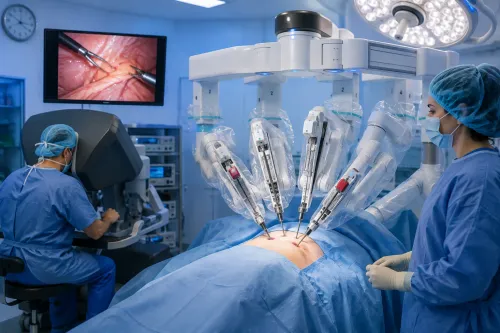
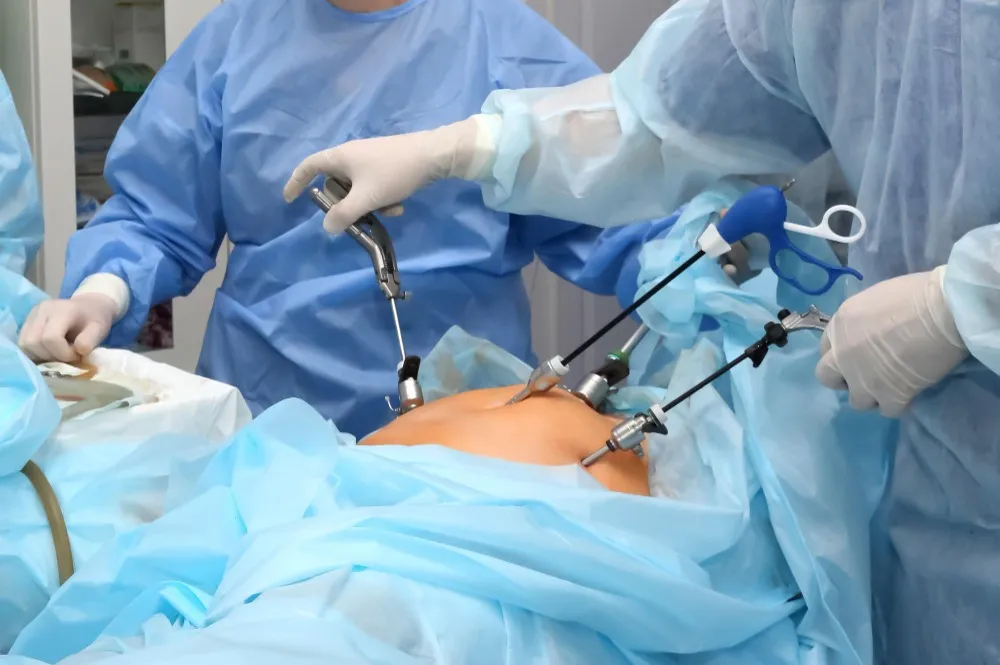
Advances in gynecological surgery have made it possible to diagnose and treat many conditions using minimally invasive techniques. Among the most commonly recommended procedures are hysteroscopy and laparoscopy. Although these terms are often mentioned together, they serve different purposes and are used to evaluate different parts of the reproductive system.
Understanding how these procedures differ can help women feel more informed if surgery is recommended for conditions such as abnormal uterine bleeding, fibroids, endometriosis, infertility, or pelvic pain.
What Is Hysteroscopy?
Hysteroscopy is a minimally invasive procedure that allows a gynecologist to examine the inside of the uterus using a thin instrument called a hysteroscope. The device is inserted through the vagina and cervix, so no abdominal incision is usually required.
Doctors may recommend hysteroscopy to investigate:
- Heavy menstrual bleeding
- Irregular uterine bleeding
- Uterine polyps
- Small fibroids inside the uterus
- Recurrent miscarriages
- Fertility concerns
- Congenital abnormalities of the uterus
In many cases, minor abnormalities can be treated during the same procedure.
What Is Laparoscopy?
Laparoscopy allows the surgeon to examine the pelvic organs through small incisions in the abdomen using a tiny camera called a laparoscope.
This technique provides a detailed view of structures outside the uterus, including:
- Ovaries
- Fallopian tubes
- Outer surface of the uterus
- Pelvic cavity
- Areas affected by endometriosis
- Pelvic adhesions
Laparoscopy is frequently used for both diagnosis and treatment.
Conditions That May Require Hysteroscopy
Your gynecologist may recommend hysteroscopy if investigations suggest:
- Endometrial polyps
- Submucosal fibroids
- Thickened uterine lining
- Uterine septum
- Retained pregnancy tissue
- Persistent abnormal bleeding
The procedure allows direct visualization of the uterine cavity, making diagnosis more precise.
Conditions Commonly Managed with Laparoscopy
Laparoscopy may be useful for diagnosing or treating:
- Endometriosis
- Ovarian cysts
- Ectopic pregnancy
- Pelvic adhesions
- Tubal disorders
- Chronic pelvic pain
- Certain fibroids
Many procedures that once required large abdominal incisions can now be performed laparoscopically, depending on the patient's condition.
Benefits of Minimally Invasive Surgery
Compared with traditional open surgery, minimally invasive procedures often provide several advantages.
These may include:
- Smaller incisions
- Less postoperative discomfort
- Reduced blood loss
- Shorter hospital stay
- Faster recovery
- Earlier return to routine activities
- Minimal scarring
Recovery varies according to the type of surgery and the complexity of the condition being treated.
Preparing for Surgery
Before recommending hysteroscopy or laparoscopy, the doctor may advise:
- Blood investigations
- Pelvic imaging
- Pregnancy testing when appropriate
- Review of medications
- Fasting instructions before surgery
- Discussion regarding anesthesia
Understanding the procedure beforehand often helps reduce anxiety.
Recovery After the Procedure
Recovery depends on the extent of surgery performed.
Patients are usually advised to:
- Follow prescribed medications
- Avoid strenuous activity temporarily
- Attend follow-up appointments
- Report fever, heavy bleeding, or severe pain promptly
- Resume activities according to medical advice
Following postoperative instructions supports smooth healing.
Minimally Invasive Gynecological Surgery in Nerul
Women in Nerul, including Vashi and Nerul, increasingly seek minimally invasive procedures for faster recovery and accurate diagnosis of gynecological conditions. Dr Agrawal Clinic Nerul Navi Mumbai offers evaluation for hysteroscopy and laparoscopy surgery based on individual medical needs, helping women understand the most appropriate treatment approach. Information available through gynecologistnavimumbai.com also explains when these procedures may be recommended and what patients can expect before and after surgery.
Keywords