
Many women assume that soaking through sanitary pads frequently or experiencing prolonged periods is simply part of their normal menstrual cycle. However, excessively heavy menstrual bleeding is not something that should be ignored. It can affect daily activities, contribute to anemia, and sometimes indicate an underlying gynecological condition that requires medical evaluation.
Understanding what qualifies as heavy menstrual bleeding and the available treatment options allows women to seek care before symptoms begin affecting their health and quality of life.
What Is Heavy Menstrual Bleeding?
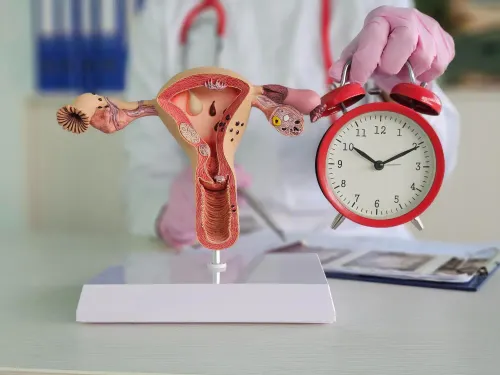
Heavy menstrual bleeding refers to menstrual flow that is excessive in volume, duration, or both.
Women may experience:
- Bleeding lasting longer than seven days
- Frequently changing sanitary protection
- Passing large blood clots
- Fatigue due to blood loss
- Interruption of work, school, or social activities
The severity varies from person to person, making professional assessment important.
Common Causes
Heavy periods can result from several medical conditions.
Some of the most common include:
- Uterine fibroids
- Endometrial polyps
- Adenomyosis
- Hormonal imbalance
- PCOS
- Thyroid disorders
- Bleeding disorders
- Endometrial abnormalities
- Certain medications
Identifying the cause is essential because treatment differs according to the diagnosis.
When Should You See a Gynecologist?
Medical advice is recommended if:
- Periods become progressively heavier
- Bleeding occurs between menstrual cycles
- Severe menstrual pain accompanies heavy bleeding
- You experience dizziness or weakness
- Anemia has been diagnosed
- Menstrual flow interferes with normal activities
Persistent symptoms should never be dismissed without evaluation.
How the Cause Is Diagnosed
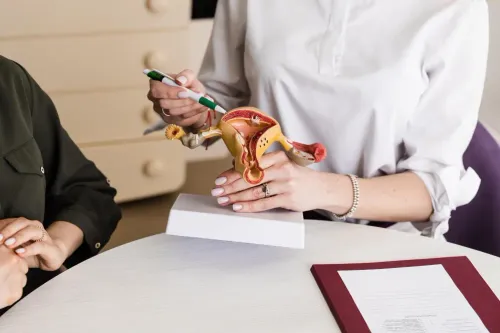
The evaluation often begins with a detailed menstrual history.
Doctors may recommend:
- Blood tests
- Pregnancy testing when appropriate
- Pelvic ultrasound
- Hormone assessment
- Cervical screening when indicated
- Endometrial evaluation in selected patients
The investigation plan depends on age, symptoms, and medical history.
Treatment Depends on the Underlying Condition
Heavy menstrual bleeding is managed according to its cause rather than using a single treatment approach.
Possible management options include:
Medication
Some medicines help reduce bleeding, regulate hormones, or relieve menstrual pain.
Minimally invasive procedures
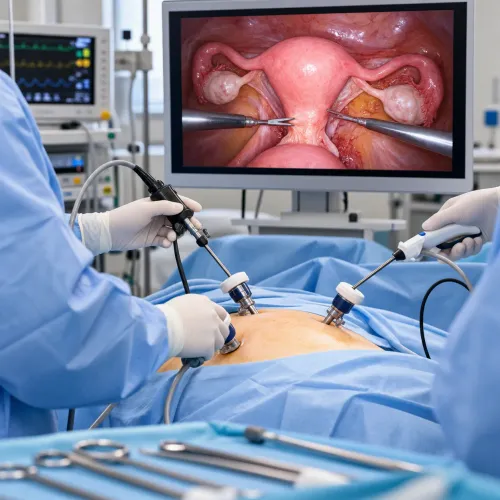
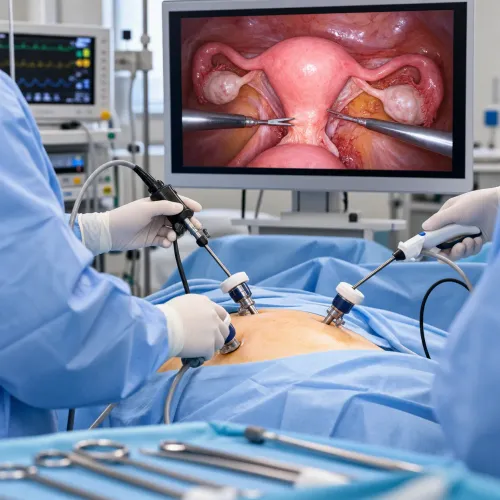
Certain uterine abnormalities may be treated through hysteroscopy or other minimally invasive techniques.
Surgical treatment
When symptoms are severe or conservative treatment has not been successful, surgery may be considered for selected patients.
The most suitable option varies for each individual.
Preventing Complications
Long-standing heavy bleeding may result in iron-deficiency anemia.
Symptoms of anemia include:
- Fatigue
- Breathlessness
- Weakness
- Pale skin
- Reduced concentration
Treating both the bleeding and iron deficiency is often necessary to restore overall health.
Monitoring Menstrual Health
Keeping a record of menstrual cycles can be useful during consultations.
Women may note:
- Number of bleeding days
- Pad or tampon usage
- Presence of clots
- Pain severity
- Bleeding between periods
- Associated symptoms
These observations help doctors understand the pattern and severity of the condition.
Women's Menstrual Care in Nerul
Women experiencing heavy menstrual bleeding in Nerul, including Vashi and Nerul, should consider timely evaluation to determine the underlying cause rather than relying on self-medication. Dr Agrawal Clinic Nerul offers assessment for abnormal uterine bleeding, fibroids, hormonal disorders, and other gynecological conditions that may contribute to excessive menstrual flow. Additional educational information through gynecologistnavimumbai.com supports informed discussions about diagnosis, treatment options, and long-term menstrual health.
Keywords