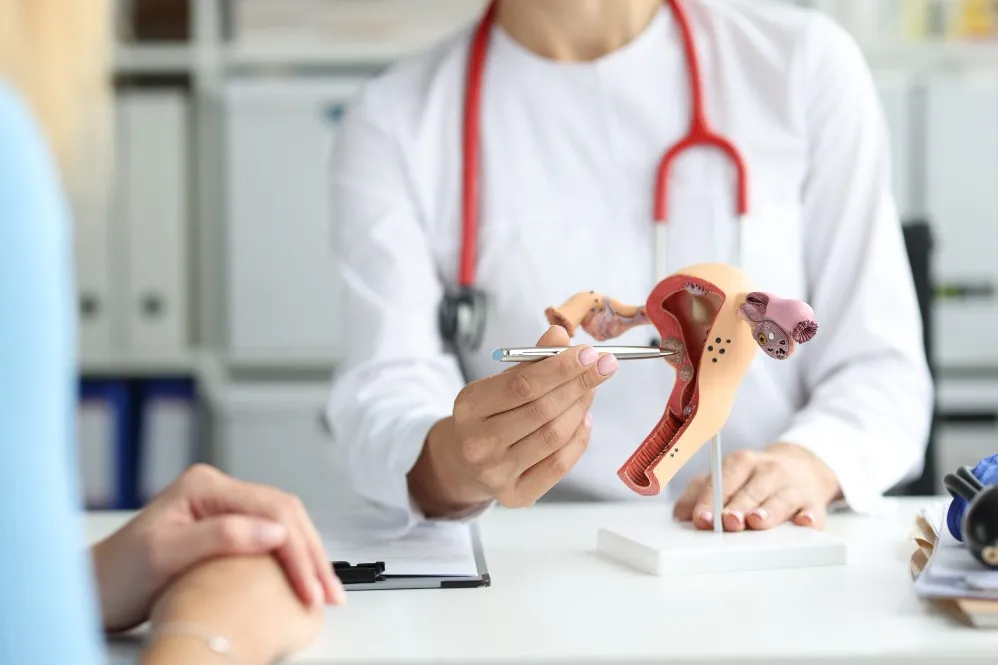
Visiting a gynecologist for the first time or returning after a long gap can feel uncomfortable when you do not know what the appointment will involve. A gynecologist consultation is a confidential opportunity to discuss menstrual health, contraception, pregnancy planning, reproductive concerns, menopause, pelvic symptoms, and preventive care.
You do not need to wait for a serious problem before scheduling an appointment. Routine consultations can help establish your health history, identify risk factors, and clarify which examinations or tests are appropriate for your age and symptoms.
Reasons to Consult a Gynecologist
Women seek gynecological care for many different reasons. Common concerns include:
- Irregular, delayed, or missed periods
- Unusually heavy menstrual bleeding
- Severe period pain
- Bleeding between periods
- Persistent vaginal discharge, itching, or irritation
- Pelvic or lower abdominal pain
- Pain during intercourse
- Questions about contraception
- Difficulty becoming pregnant
- Pregnancy confirmation and antenatal care
- Symptoms associated with perimenopause or menopause
Adolescent girls may also need guidance about menstrual changes, acne, excessive hair growth, weight fluctuations, or unusually painful periods. A consultation provides a suitable setting in which these concerns can be discussed sensitively.
Preparing for the Appointment
Writing down your symptoms before the visit can make the conversation more productive. Note when the problem began, how frequently it occurs, and whether anything makes it better or worse.
Information that may be useful includes:
- Date of your last menstrual period
- Usual cycle length and bleeding pattern
- Current medicines and supplements
- Previous pregnancies, miscarriages, or deliveries
- Past operations and medical conditions
- Family history of relevant illnesses
- Previous ultrasound, blood test, or biopsy reports
If you track periods through an application or calendar, bring that information with you. It can help the gynecologist understand whether your cycle variation is occasional or persistent.
What Happens During the Consultation?
The appointment generally begins with a detailed conversation. The gynecologist may ask about menstrual history, symptoms, sexual and reproductive health, pregnancy plans, medications, and previous medical conditions.
A physical examination is not automatically required at every visit. Whether an abdominal, breast, pelvic, or internal examination is recommended depends on your age, symptoms, medical history, and the purpose of the appointment. The doctor should explain why an examination is needed and obtain your consent beforehand.
Tests may be advised when they are likely to influence diagnosis or treatment. These can include blood investigations, urine tests, pregnancy testing, cervical screening, infection testing, or pelvic ultrasound. Not every patient requires every test.
Questions Worth Asking
A consultation should help you understand your health rather than leave you with unexplained medical terms. Consider asking:
- What are the possible causes of my symptoms?
- Which tests are necessary, and what will they show?
- Are there alternatives to the proposed treatment?
- Could the condition affect fertility or pregnancy?
- What symptoms should prompt urgent medical attention?
- When should I return for follow-up?
It is also important to mention whether you are planning a pregnancy. Some medicines and treatment decisions may need to be reconsidered before conception.
When Symptoms Need Prompt Assessment
Seek timely medical attention for very heavy bleeding, severe or rapidly worsening pelvic pain, fainting, fever with pelvic symptoms, bleeding during pregnancy, or sudden pain accompanied by vomiting or weakness. Postmenopausal bleeding should also be evaluated rather than assumed to be harmless.
Women in Navi Mumbai can use a routine consultation to address current symptoms and establish an appropriate preventive-care plan. At Dr Agrawal Clinic Nerul Navi Mumbai, consultations may cover different life stages, from adolescent menstrual health and pregnancy planning to menopause and gynecological conditions.
The most useful first appointment begins with honest information. There is no need to feel embarrassed about intimate symptoms; accurate details help the gynecologist recommend care that is relevant to your individual needs.
Keywords