Many women experience menstrual cramps during their monthly cycle, but severe pelvic pain should never be dismissed as something that simply has to be tolerated. While discomfort during menstruation can be common, persistent or worsening pain may indicate an underlying condition such as endometriosis.
Understanding the difference between typical menstrual cramps and symptoms that require medical evaluation helps women seek timely care and avoid unnecessary delays in diagnosis.
What Is Endometriosis?
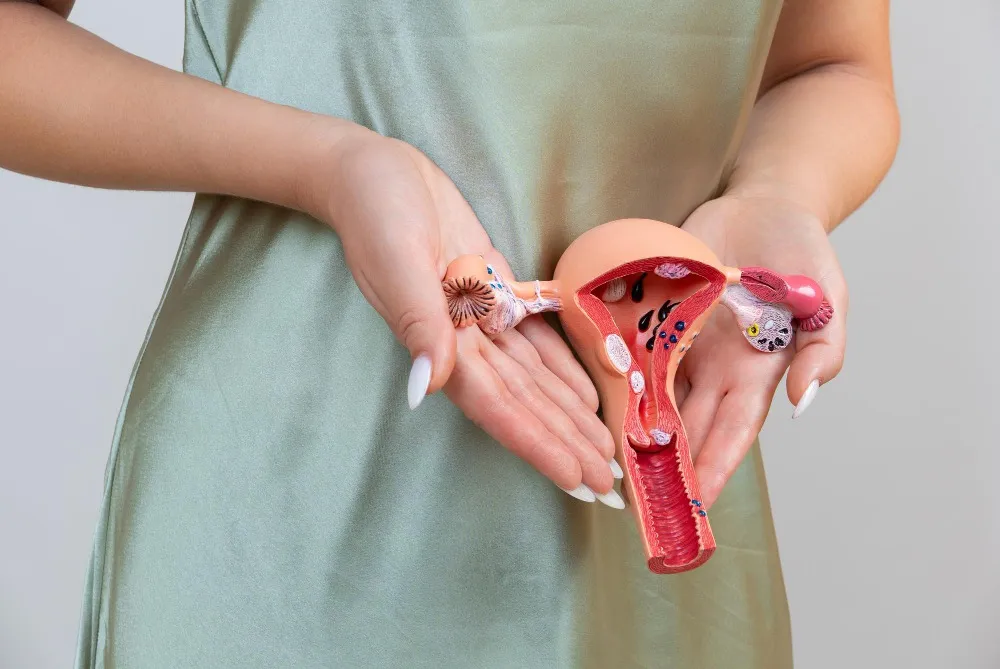
Endometriosis is a condition in which tissue similar to the lining of the uterus grows outside the uterine cavity. These growths may occur on the ovaries, fallopian tubes, pelvic lining, or surrounding organs.
Like the uterine lining, this tissue responds to hormonal changes during the menstrual cycle, which can result in inflammation, scarring, and chronic pain.
Although endometriosis is a common gynecological condition, its symptoms vary considerably from one woman to another.
Normal Menstrual Cramps Versus Endometriosis
Understanding the differences can help women decide when to seek medical advice.
Typical menstrual cramps
Normal menstrual discomfort usually:
- Begins shortly before or during menstruation
- Improves after one or two days
- Responds to rest or over-the-counter pain relief
- Does not significantly interfere with daily activities
Possible signs of endometriosis
Symptoms that deserve evaluation include:
- Severe pelvic pain before and during periods
- Pain lasting several days
- Pain during intercourse
- Pain while passing urine or stools during menstruation
- Heavy menstrual bleeding
- Difficulty becoming pregnant
- Chronic pelvic discomfort between menstrual cycles
These symptoms should not be ignored simply because they occur during menstruation.
Why Early Diagnosis Matters
Delayed diagnosis may allow symptoms to progress and affect quality of life.
Early evaluation can help:
- Identify the cause of chronic pelvic pain
- Preserve fertility where possible
- Reduce inflammation
- Improve symptom control
- Prevent unnecessary suffering
Several conditions can produce similar symptoms, making professional assessment important.
How Is Endometriosis Diagnosed?
Diagnosis usually begins with a detailed medical history and pelvic examination.
Doctors may recommend:
- Pelvic ultrasound
- MRI in selected situations
- Blood investigations when indicated
- Diagnostic laparoscopy in appropriate cases
No single investigation is suitable for every patient. The diagnostic plan depends on symptoms, age, and reproductive goals.
Comparing Treatment Approaches
Treatment is individualized based on symptom severity, age, and future pregnancy plans.
Medical management
Doctors may recommend medications to:
- Relieve pain
- Suppress hormonal activity
- Reduce inflammation
- Improve quality of life
Surgical treatment
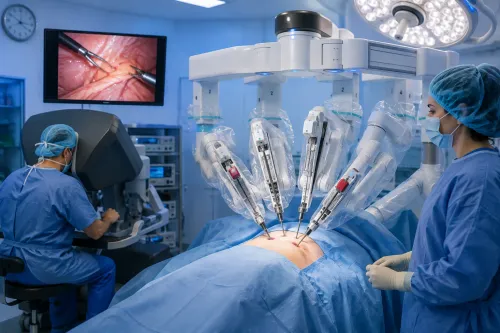
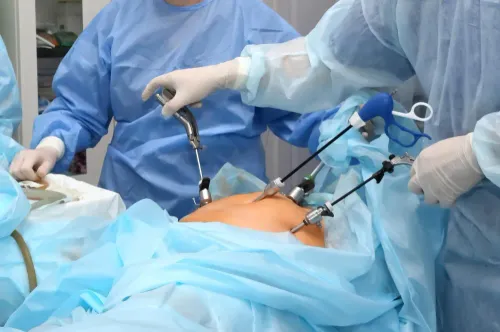
When symptoms persist or fertility is affected, minimally invasive surgery may be considered to remove endometriosis tissue while preserving healthy reproductive organs whenever possible.
The choice between medical and surgical treatment depends on each patient's clinical condition rather than a standard protocol.
Living Well with Endometriosis
Although endometriosis is a chronic condition, many women successfully manage symptoms with ongoing medical care.
Helpful measures include:
- Maintaining regular follow-up appointments
- Staying physically active
- Managing stress
- Following prescribed treatment
- Reporting changes in symptoms promptly
Long-term management often involves periodic reassessment as reproductive plans and symptoms evolve.
When Should You Seek Medical Advice?
Consider consulting a gynecologist if you experience:
- Menstrual pain that limits daily activities
- Persistent pelvic pain
- Pain during intimacy
- Heavy or prolonged periods
- Difficulty conceiving
- Symptoms that continue despite pain medication
Prompt evaluation helps distinguish endometriosis from other gynecological conditions requiring different treatments.
Women's Pelvic Health Services in Nerul
Women experiencing persistent pelvic pain in Nerul, including Nerul and Vashi, should consider evaluation rather than assuming severe periods are normal. Dr Agrawal Clinic Nerul Navi Mumbai offers assessment and management for endometriosis, chronic pelvic pain, menstrual disorders, and fertility-related concerns. Educational information available through gynecologistnavimumbai.com also helps women better understand symptoms that warrant timely medical attention.
Keywords