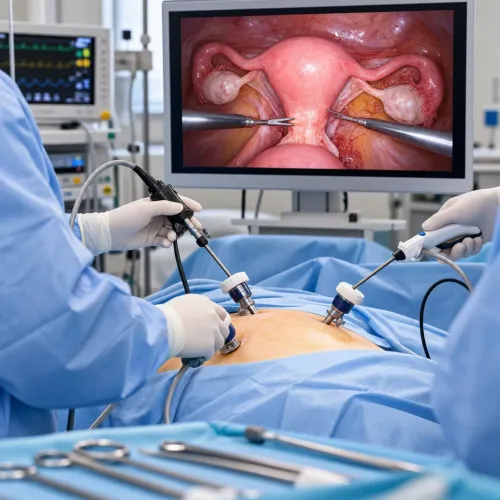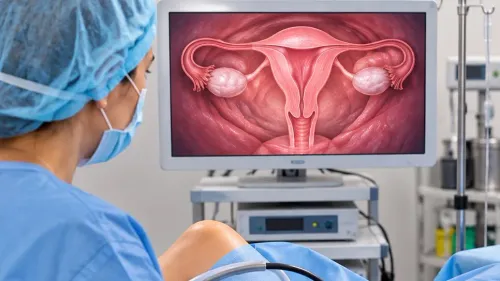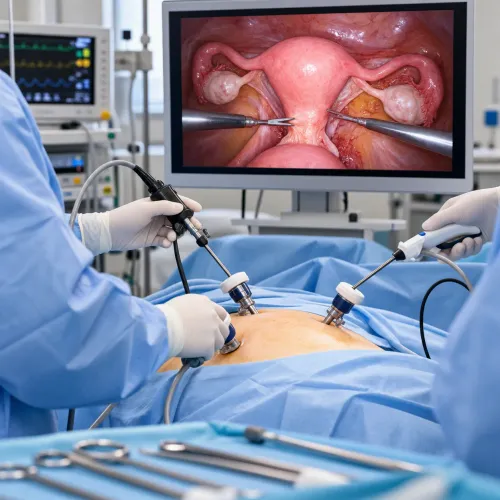
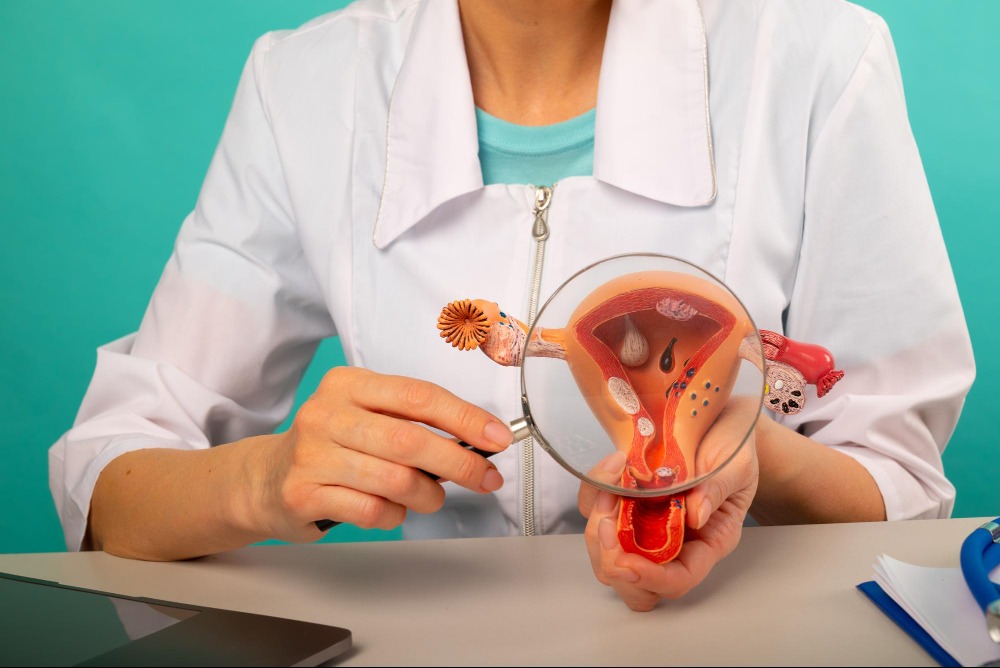
Being advised to undergo colposcopy can cause anxiety, particularly when the referral follows an abnormal Pap smear or HPV test. An abnormal screening result does not automatically mean cervical cancer. It means that the cervix needs closer assessment so that abnormal cells can be identified and managed appropriately.
Colposcopy uses magnification and specialised light to examine the cervix. The procedure helps the gynecologist decide whether observation, biopsy, treatment, or further follow-up is needed.
Reasons Colposcopy May Be Recommended
Common reasons include:
- Abnormal cervical cytology
- A positive high-risk HPV result
- Persistent unexplained cervical changes
- A cervix that appears abnormal during examination
- Bleeding after intercourse in selected cases
- Follow-up after previous cervical treatment
The urgency of assessment depends on the type of abnormality, age, previous results, symptoms, and HPV findings. Two women with abnormal Pap tests may require different follow-up because their actual results differ.
What Happens During the Procedure?
The patient lies in a position similar to that used for cervical screening. A speculum is placed so the cervix can be seen. The colposcope remains outside the body and provides a magnified view.
Solutions may be applied to the cervix to make abnormal areas easier to identify. These can produce temporary mild stinging. If an area requires laboratory assessment, a small biopsy may be taken.
Colposcopy itself is an examination, while biopsy involves removing a tissue sample. Ask whether biopsy is likely and how discomfort will be managed.
Preparing for Colposcopy
Follow the clinic’s instructions regarding timing, medicines, intercourse, and vaginal products. Inform the gynecologist if you may be pregnant, take blood-thinning medication, have a bleeding disorder, or previously reacted to a medical product.
Carry copies of the screening report rather than relying on a verbal description such as positive or abnormal. The exact cytology and HPV findings are important for planning.
Some women prefer to bring a trusted companion. Whether the companion can remain in the room may depend on the patient’s preference, clinic policy, and the requirements of the examination.
After Colposcopy or Biopsy
If no biopsy is taken, many patients can return to routine activity promptly. After biopsy, mild cramping, light bleeding, or dark discharge may occur for a short period.
Follow the written instructions about intercourse, exercise, swimming, and tampon use. Contact the treating team for heavy bleeding, fever, foul-smelling discharge, severe pain, or other unexpected symptoms.
The biopsy result does not always require immediate treatment. Low-grade changes may sometimes be monitored because they can resolve, whereas higher-grade abnormalities may require a procedure to remove the affected cells. Decisions should follow the pathology result and the patient’s individual risk.
Choosing a Colposcopy Provider
When arranging colposcopy in Navi Mumbai, ask whether the appointment includes review of the original screening report, whether biopsy can be performed if required, when pathology results are expected, and how follow-up will be communicated.
Dr Agrawal Clinic Nerul Navi Mumbai can assess abnormal cervical screening findings and explain why colposcopy has been advised. Patients should leave the consultation knowing what their result means, what the procedure can determine, and what the possible next steps are.
The most important step is not to panic or ignore the result. Cervical screening is designed to identify changes before they become more serious. Attending the recommended assessment creates an opportunity for timely observation or treatment based on actual findings.
Keywords