
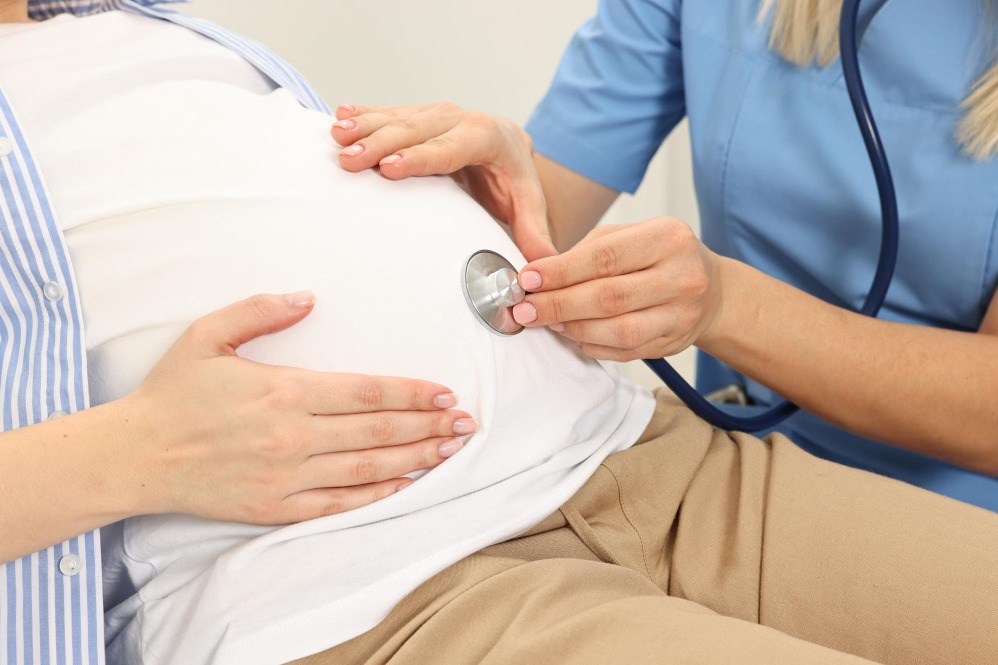
Pregnancy care begins well before labour and continues after the baby is born. Regular medical follow-up helps monitor the mother’s health, assess the baby’s growth, identify potential complications, and prepare the family for delivery and recovery.
Post-pregnancy care is equally important. The weeks after childbirth involve physical healing, hormonal changes, feeding adjustments, disrupted sleep, and significant emotional demands. A structured plan helps ensure that the mother’s health does not become secondary to newborn care.
What Pregnancy Care Usually Includes
Antenatal visits are scheduled according to the stage of pregnancy and the mother’s individual risk profile. During these appointments, the obstetrician may monitor:
- Blood pressure and weight
- Fetal growth and heartbeat
- Blood and urine test findings
- Blood glucose where appropriate
- Placental position and amniotic fluid
- Symptoms such as swelling, bleeding, or pain
- Vaccination and supplement requirements
Ultrasound examinations may be recommended at specific stages to assess dating, fetal anatomy, growth, placental location, or other clinical concerns. The number and timing of scans should be based on medical need rather than a standard package applied to everyone.
Everyday Symptoms and Warning Signs
Nausea, fatigue, breast tenderness, mild backache, and increased urination can occur during pregnancy. However, symptoms should not be dismissed simply because pregnancy can cause discomfort.
Prompt assessment is important for vaginal bleeding, leaking fluid, severe abdominal pain, persistent vomiting, intense headache, visual disturbance, sudden swelling, breathlessness, fever, reduced fetal movement after movements have become established, or regular painful contractions before term.
Women travelling across Navi Mumbai for work should discuss commuting, prolonged sitting, hydration, and emergency access with their obstetrician, particularly during later pregnancy or when complications are present.
Preparing for Birth
Birth planning is not a prediction of exactly how labour will proceed. It is a way to understand preferences, available facilities, and circumstances that could change the recommended approach.
Useful discussions include:
- Signs that labour may have started
- When to travel to the hospital
- Vaginal birth and caesarean birth considerations
- Pain-management options
- Expected hospital stay
- Newborn feeding support
- Who to contact if urgent symptoms occur
Keeping investigation reports, identification documents, medicines, and hospital essentials organised can reduce stress near the expected delivery date.
Care After Childbirth
Recovery differs according to the type of birth, complications, sleep, nutrition, feeding method, and the mother’s general health. Postnatal review may include assessment of wound healing, bleeding, blood pressure, bladder and bowel symptoms, breast concerns, contraception, emotional health, and return to physical activity.
Seek urgent help for very heavy bleeding, chest pain, breathing difficulty, seizures, fainting, severe headache, high fever, worsening wound pain, foul-smelling discharge, or pain and swelling in one leg.
Emotional changes also deserve attention. Short-lived mood fluctuations can occur after delivery, but persistent sadness, severe anxiety, hopelessness, inability to function, or thoughts of self-harm require prompt professional support. Postpartum depression is a medical condition and should not be treated as a personal failure. Mayo Clinic provides further information about its symptoms and possible causes.
Building a Continuity-of-Care Plan
Keep follow-up appointments even when recovery appears uncomplicated. Discuss sleep, pain, nutrition, feeding difficulties, family support, and birth spacing openly. A mother’s physical and mental well-being directly affects her ability to recover and care for her baby.
Pregnancy and post-pregnancy care in Navi Mumbai should provide continuity rather than ending at delivery. Coordinated antenatal, delivery, and postnatal guidance helps families understand what is normal, recognise warning signs, and obtain appropriate assistance throughout this major transition.
Keywords