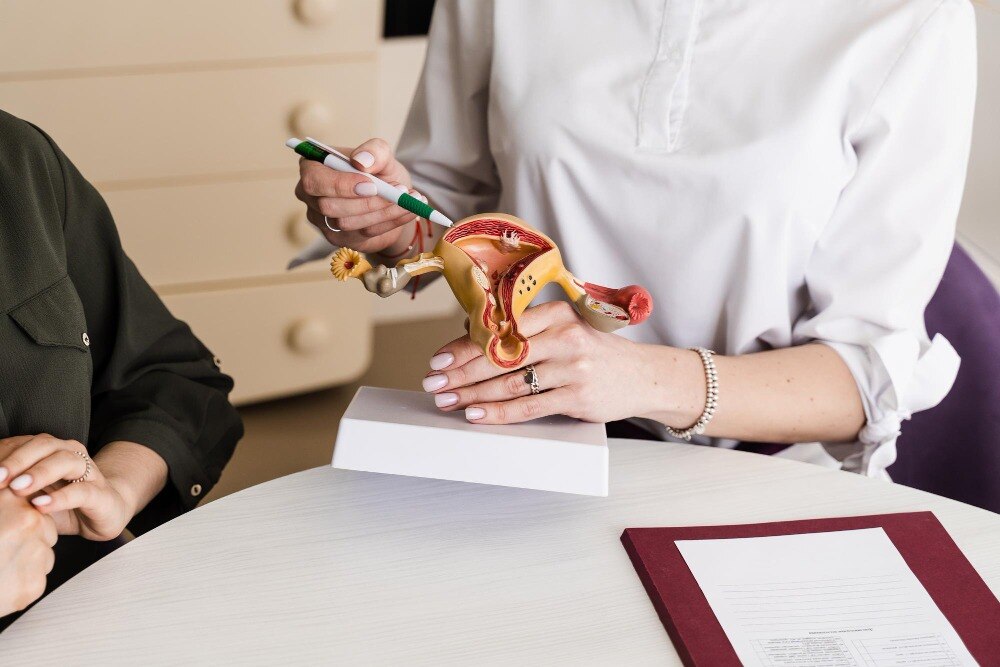
A vaginal bulge, pelvic pressure or urine leakage deserves assessment when it interferes with bladder emptying, exercise, sleep, sex or daily movement. You can use the warning signs, symptom patterns and examination steps below to decide between a routine gynecology appointment, urgent care and referral to another specialist.
Key takeaways
- A vaginal bulge needs assessment to distinguish prolapse from bladder or rectal conditions.
- Seek urgent care for inability to urinate, severe pain, heavy bleeding or a trapped bulge.
- Pelvic examination, urine testing and bladder-leakage questions guide diagnosis.
- Pelvic-floor therapy, pessaries and lifestyle changes often come before prolapse surgery.
Is the problem pelvic organ prolapse, rectal prolapse or a bladder condition?
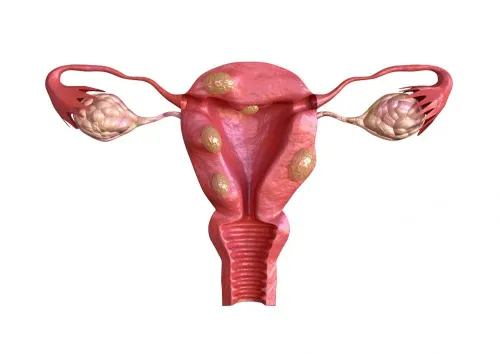
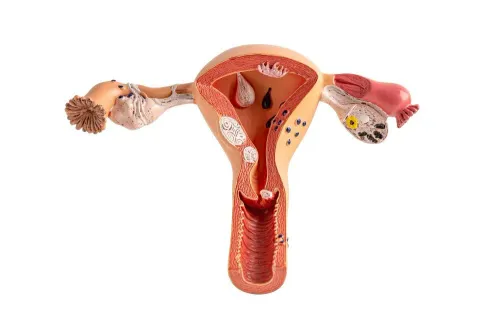
A vaginal bulge or pelvic pressure usually points toward pelvic organ prolapse, not a primary bladder disorder. A cystocele is a prolapse of the front vaginal wall and bladder; a rectocele affects the back wall and rectum; uterine or apical prolapse involves the cervix, uterus or top of the vagina.
Symptoms can include dragging, pain during sex, constipation or difficulty emptying the bladder.
| Symptom or finding | More suggestive of | What it may mean |
|---|---|---|
| Bulge felt or seen inside the vagina | Pelvic organ prolapse | Cystocele, rectocele or uterine/apical descent |
| Tissue coming through the anus, mucus or incomplete bowel emptying | Rectal prolapse | Rectal tissue has moved outward through the anal opening |
| Leakage with coughing, laughing, lifting or exercise | Stress urinary incontinence | Weak support around the urethra, with or without prolapse |
| Sudden compelling urge, frequent urination or nocturia | Urgency urinary incontinence or bladder disorder | Overactive bladder, infection or another urinary cause |
| Dribbling, a weak stream or feeling that urine remains | Prolapse or urinary obstruction | A cystocele can bend or compress the bladder outlet |
Burning, fever, blood in urine or recurrent urinary infections require urine assessment rather than assuming prolapse. Menopausal dryness can worsen burning but local vaginal estrogen does not reposition a prolapse.
Seek urgent care for inability to pass urine, severe pain, heavy bleeding, fever, sudden loss of bladder or bowel control, or protruding tissue that is dark, ulcerated or cannot be pushed back.
The phrase pelvic organ prolapse doctor Nerul describes a search need, not a diagnosis; choose a clinician who examines pelvic-floor disorders and can arrange urology, urogynecology or colorectal referral.
When should you book an appointment, and when is it urgent?
Book a routine gynecology appointment for a new vaginal bulge, pelvic pressure, dragging, pain during sex, or tissue visible outside the vagina. Arrange assessment when leakage disrupts exercise or sleep, you urinate frequently or at night, struggle to empty your bladder, or symptoms persist despite lifestyle changes.
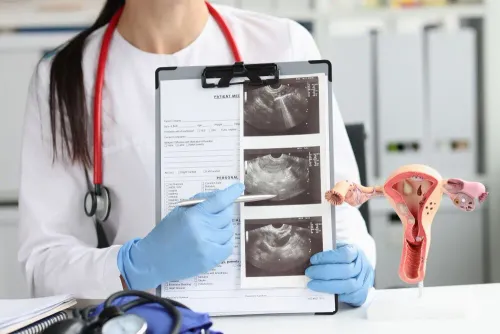
A prolapse treatment consultation should include pelvic examination and urine assessment.
| Level | Symptoms | What to do |
|---|---|---|
| Routine appointment | Vaginal bulge, worsening pressure, stress leakage with coughing or exercise, urgency leakage, nocturia, incomplete emptying, recurrent urinary infections, or persistent burning | Book a gynecologist; do not assume every urinary flare is an infection |
| Same-day medical care | Fever with urinary symptoms, flank pain, rapidly worsening prolapse symptoms, visible blood in the urine, or a protruding mass that is very painful | Contact urgent medical care today; urine testing may be needed before repeated antibiotics |
| Emergency department | Inability to pass urine, severe pelvic pain, heavy vaginal bleeding, sudden loss of bowel or bladder control, or prolapsed tissue that cannot be pushed back and is dark, ulcerated, or severely painful | Go to the emergency department now |
Acute urinary retention can damage the bladder and is not safe to manage by waiting for a routine appointment. Persistent urinary symptoms also deserve evaluation for causes beyond prolapse, including infection, stones or other urinary-tract disease. Loss of bladder control after sudden weakness, numbness or back pain needs emergency assessment.
What will a gynecologist check for prolapse and urinary leakage?
The clinician starts with the pattern, timing and impact of your symptoms. Expect questions about childbirth, menopause, previous pelvic surgery, constipation, coughing, medicines, fluid intake, urinary infections and conditions such as diabetes. Bring a three-day bladder diary recording drinks, frequency, night-time urination, urgency, leakage and triggers.
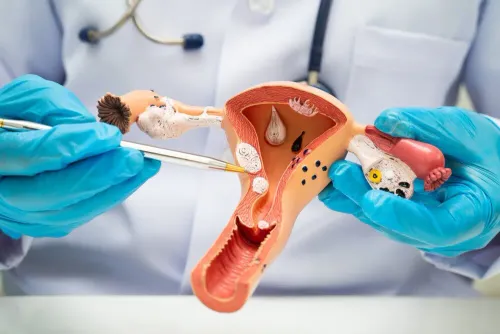
- During abdominal and pelvic examination, the clinician checks the vaginal walls, cervix, uterus and vaginal apex while you lie down and bear down. This identifies a front-wall bladder prolapse (cystocele), back-wall rectal prolapse into the vagina (rectocele), uterine prolapse or apical prolapse. The extent may be recorded with the POP-Q system.
- Ask for a urine dipstick or microscopy when infection, blood or an unclear diagnosis is present. A urine culture helps confirm infection before repeated antibiotic treatment.
- The clinician may check whether your bladder empties fully by measuring post-void residual urine with ultrasound or a catheter. Persistent blood in urine, recurrent infections, flank pain or unexplained weight loss may require urology assessment.
| Pattern | Clues the clinician looks for | Common assessment |
|---|---|---|
| Stress leakage | Coughing, sneezing, lifting or exercise triggers drops | Pelvic examination and cough stress test |
| Urgency leakage | Sudden compelling urge, frequent urination or nocturia precedes leakage | Bladder diary and urine assessment |
| Mixed leakage | Stress and urgency triggers occur together | History, examination and targeted treatment |
| Bulge with pressure | Vaginal fullness, dragging or incomplete emptying | Pelvic examination and POP-Q documentation |
Urodynamic testing is not automatic for straightforward leakage. A urinary leakage gynecologist in Navi Mumbai should explain why it is needed when symptoms conflict with the examination, treatment fails, or surgery is being considered.
What can you try before surgery, and when is surgery considered?
A prolapse treatment consultation should match the treatment to the problem, not to how dramatic the bulge looks. Stress leakage with coughing or exercise, urgency leakage, and mixed incontinence need different plans from a vaginal bulge or pressure.
1. Start with supervised pelvic-floor muscle training. For symptomatic, non-advanced prolapse, a trained clinician should teach and review a programme lasting at least 16 weeks. Stress or mixed incontinence usually receives at least three months of training. Tightening the wrong muscles or bearing down can worsen symptoms.
2. Add bladder training when urgency or mixed incontinence is present. Practise scheduled voiding and gradually extend the interval between trips to the toilet for at least six weeks. Reducing caffeine, correcting excess fluid intake and treating constipation can support progress, but persistent leakage still needs assessment.
3. Consider a pessary when prolapse pressure or a vaginal bulge needs mechanical support, or when you want to delay or avoid surgery. It requires fitting, follow-up and removal or cleaning as instructed; report bleeding, pain, discharge or difficulty urinating.
4. Discuss surgery when symptoms remain troublesome after conservative treatment, or when you decline those options. The discussion should cover expected benefit, recurrence, bladder and bowel effects, sexual function, recovery time, alternatives and mesh-related issues when relevant.
A visible prolapse alone does not require an operation. Seek review sooner if it obstructs urination, bowel movements, exercise or sex; surgery is a choice based on symptoms, examination findings and your goals.
How do you choose the right clinician in Navi Mumbai?
Verify three practical capabilities before booking: the clinician assesses pelvic-floor disorders and urinary incontinence, performs a pelvic examination, and arranges urine testing rather than treating every leak as an infection. A search for “prolapse and urinary problems gynecologist in Navi Mumbai” should lead to that level of assessment.
Ask these questions before choosing:
- Do you distinguish stress, urgency and mixed incontinence?
- Can you assess incomplete bladder emptying, recurrent urinary infections and vaginal dryness?
- What happens if examination findings suggest a bladder, urethral, bowel or rectal problem?
- Will you discuss the possibility that leakage appears after prolapse reduction or repair?
Dr Agrawal Clinic Nerul Navi Mumbai can be considered if its consultation confirms these assessment and referral arrangements, rather than relying on the clinic name alone. The same checks apply when searching “pelvic organ prolapse doctor Nerul” or “urinary leakage gynecologist in Navi Mumbai.”
| Service | What to verify | When to request referral |
|---|---|---|
| Gynecologist | Pelvic examination and urine assessment | Symptoms remain unexplained or persist after initial care |
| Urogynecologist | Expertise in prolapse plus complex bladder symptoms | Recurrent leakage, difficult emptying, or symptoms before prolapse surgery |
| Urologist | Evaluation of urinary-tract disease | Blood in urine, flank pain, recurrent infections or abnormal urine findings |
| Colorectal surgeon | Assessment of bowel-control or rectal disorders | Suspected rectal prolapse, fecal leakage or obstructed bowel movements |
Related services
Gynecologist consultation Looking for expert gynecologist consultation in Nerul? Dr Amit Agrawal provides comprehensive women’s healthcare with a focus on personalized... View service → |
Rectal prolapse is when the rectal walls have prolapsed to a degree where they protrude out the anus and are visible outside the body. View service → |
Frequently asked questions
How can you tell pelvic organ prolapse from rectal prolapse or a bladder condition?
A vaginal bulge or pelvic pressure points toward pelvic organ prolapse. A cystocele affects the front vaginal wall and bladder, a rectocele affects the back wall and rectum, and uterine or apical prolapse affects the cervix, uterus or top of the vagina. Urinary symptoms without a vaginal bulge can have other bladder causes.
When should you see a gynecologist for prolapse or urinary leakage?
Book an appointment for a vaginal bulge, pelvic pressure, difficulty emptying your bladder, recurrent urine infections, urine leakage or symptoms that interfere with walking, exercise or sex. Seek urgent care for inability to urinate, severe pain, heavy bleeding or a prolapsed bulge that cannot be pushed back gently.
What does a gynecologist check during a prolapse and urinary leakage consultation?
The clinician reviews childbirth, menopause, bowel and urinary symptoms, examines the vagina and pelvic organs, and assesses pelvic-floor strength. They may request a urine test, bladder diary or additional testing when the symptoms do not clearly identify the cause.
What treatments can you try before prolapse surgery?
Treatment can include pelvic-floor muscle training, treating constipation, managing chronic cough, reducing heavy lifting, weight management and a vaginal pessary. Surgery is considered when prolapse remains severe or disruptive after conservative treatment, or when examination shows a complication.
How do you choose a prolapse or urinary leakage gynecologist in Navi Mumbai?
Choose a gynecologist who evaluates both pelvic support and urinary symptoms, explains examination findings, discusses nonsurgical options and refers for urology or colorectal care when the condition falls outside gynecology. Ask what testing and follow-up the prolapse treatment consultation includes.
Keywords