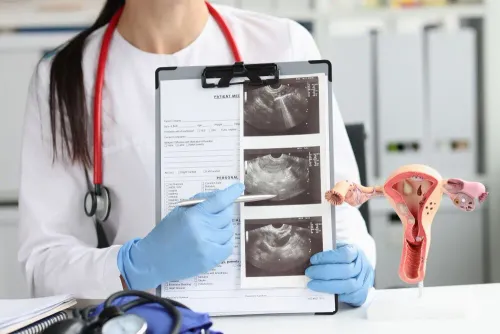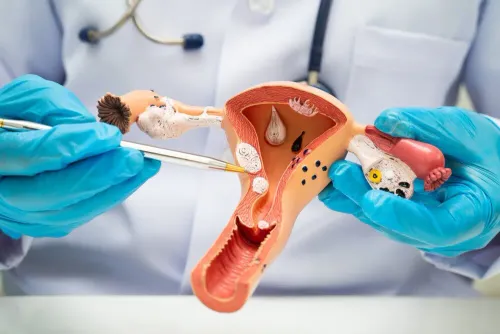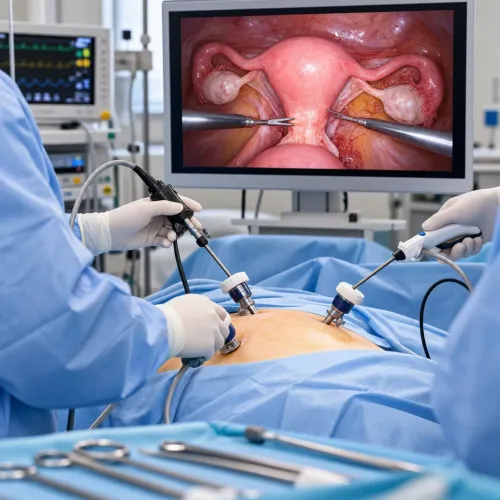
An abnormal Pap smear, HPV result or cervical biopsy does not automatically mean you need LEEP. The right next step depends on the suspected cell changes, the visibility of the transformation zone, pregnancy status and whether tissue must be removed for treatment. By the end, you will know what each procedure can show, when doctors recommend it and what to ask before booking one in Nerul.
Key takeaways
- An abnormal Pap or HPV result does not automatically require LEEP.
- Colposcopy with biopsy identifies whether cervical cell changes need treatment.
- LEEP is used for confirmed or high-risk precancer, not every abnormal screen.
- Ask for pathology fees, procedure charges, follow-up visits, and pregnancy advice.
How an Abnormal Screening Result Leads to the Next Step
LEEP is not automatic after an abnormal Pap smear or HPV result. The decision depends on the current cytology and HPV type, previous screening and treatment, age, pregnancy status, and estimated risk of CIN3+, the high-grade precancer most likely to progress.
1. Repeat HPV-based testing is used when the immediate risk is low, such as a minor cell change with reassuring prior results. The interval may be 1 year or another period chosen by the clinician; do not substitute a routine Pap test if HPV-based surveillance was advised.
2. Colposcopy is recommended when risk is higher, HPV persists, or the Pap report shows a significant abnormality. The clinician examines the cervix under magnification and takes a biopsy from suspicious tissue. Colposcopy finds the abnormal area; it does not remove it.
3. LEEP is considered when biopsy confirms high-grade precancer, such as CIN2 or CIN3, and the abnormal area requires excision. Lesion size, transformation-zone visibility and endocervical involvement affect whether LEEP is suitable or whether another plan is safer.
4. Pregnancy changes the pathway. Colposcopy may be needed to exclude cancer, but endocervical curettage and treatment of precancer are generally avoided during pregnancy unless cancer is suspected.
If you are comparing colposcopy or LEEP in Nerul, take the exact HPV and Pap reports, earlier results, biopsy or treatment records, pregnancy plans and medication list, including anticoagulants. Bleeding alone, or the word “HPV,” does not determine treatment.
What Colposcopy and Cervical Biopsy Actually Tell You
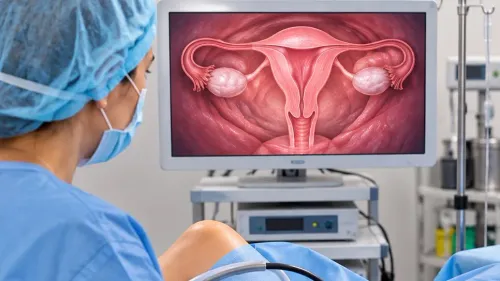
A colposcopy is a close visual examination of the cervix after an abnormal screening result; it does not remove abnormal tissue. The clinician places a speculum, views the cervix through a magnifying colposcope, and applies dilute acetic acid or Lugol iodine to make suspicious areas easier to see.
If an area looks abnormal, the clinician takes a small cervical biopsy with a tiny instrument. The sample goes to a pathology laboratory, where a pathologist checks the cells for changes such as CIN1, CIN2 or CIN3, and looks for signs that require further treatment.
You may feel a brief pinch or cramp, followed by light spotting.
A biopsy supplies evidence that the magnified view cannot. It identifies the severity of cell changes and helps determine whether monitoring, another examination or tissue removal is appropriate.
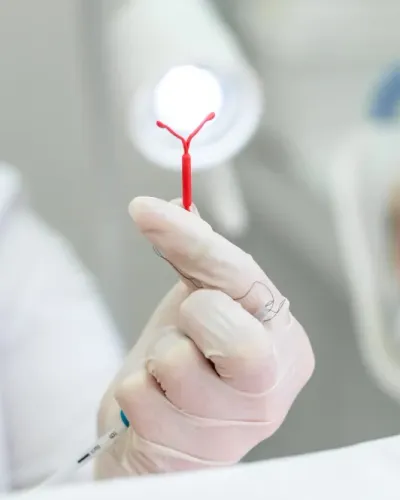
Colposcopy alone is usually not treatment for precancerous cells because the colposcope only examines the cervix. It does not destroy or remove the abnormal area. A procedure such as LEEP uses a heated wire loop to remove tissue for both treatment and laboratory testing.
Searching for “colposcopy treatment nerul” can therefore be misleading: colposcopy is primarily diagnostic. Some clinics offer biopsy or treatment during the same visit when the findings justify it, but that decision depends on the examination, consent and pathology plan.
When LEEP Is Appropriate—and When It Is Not
The colposcopy–LEEP difference in Nerul is straightforward: colposcopy examines the cervix and guides biopsy, while LEEP removes abnormal transformation-zone tissue with a heated wire loop for treatment and laboratory examination.
Observation fits low-grade findings such as CIN1 when the transformation zone is fully visible, the lesion is small, the endocervical canal is not involved, and the colposcopy and biopsy agree. Follow-up HPV testing or repeat colposcopy is safer than removing cervical tissue unnecessarily.
CIN2 needs an individual decision. Observation can be reasonable when the entire lesion is visible, the canal sample is negative, and reliable follow-up is available. LEEP becomes more appropriate when CIN2 persists, the lesion is large, follow-up is uncertain, or the findings suggest CIN3. CIN3 generally requires excisional treatment rather than observation.
Choose LEEP when a high-grade lesion extends into the endocervical canal, the transformation zone cannot be seen completely, or the biopsy does not explain a high-risk Pap or HPV result. A larger lesion or suspected invasion may require a different excisional procedure, and the specimen must reach the laboratory intact.
Pregnancy changes the plan: do not perform LEEP for CIN1 or routine CIN2 observation during pregnancy. Use colposcopy, with biopsy only when needed to exclude cancer; avoid endocervical curettage. Treat during pregnancy only when invasive cancer is suspected, then defer precancer treatment until after delivery. LEEP does not treat HPV infection itself.
Procedure Day, Preparation, Recovery and Future Pregnancy
Colposcopy is usually an office examination lasting 15–30 minutes; LEEP often takes 10–20 minutes, with extra time for anaesthesia and recovery. Bring your HPV and Pap reports, previous biopsy results, medication list, and pregnancy information. Tell the clinician about anticoagulants, allergies, and future pregnancy plans.
1. During colposcopy, you sign consent, lie in an examination position, and have a speculum inserted. The clinician views your cervix through a colposcope, applies dilute acetic acid and, when useful, Lugol iodine, then removes small biopsy samples or an endocervical sample.
The samples are labelled and sent for histopathology; the colposcope itself does not remove the abnormal area. You may feel pressure, stinging, or a brief pinch.
2. During LEEP, consent confirms the area being removed and the plan for pathology. A speculum is inserted, local anaesthetic numbs the cervix, and a heated wire loop removes abnormal tissue; the specimen goes to the laboratory. Ask whether your procedure is office-based or requires fasting and operating-room anaesthesia.
3. After either procedure, use a pad for light bleeding or brown discharge and follow the stated restriction on sex, tampons, and swimming. Seek urgent care for soaking-heavy bleeding, fever, worsening pain, or foul-smelling discharge.
LEEP also carries risks of incomplete removal, recurrence, cervical stenosis, and a small increased risk of preterm birth, especially after deep or repeated excisions. During pregnancy, colposcopy may assess suspected cancer, but LEEP and endocervical curettage are generally avoided unless cancer is suspected.
How to Compare a Nerul Consultation, Pathology Plan and Total Cost
Take the exact HPV and Pap reports, earlier screening results, biopsy or treatment reports, medication list, and pregnancy status or plans. Include anticoagulants such as warfarin, apixaban or aspirin. The decision should follow documented cervical findings, not bleeding alone or the word “HPV.”
Before choosing a provider, ask these questions:
- Is the proposed procedure diagnostic LEEP or treatment for a confirmed high-grade lesion?
- Who will perform the colposcopy or LEEP, and where will the procedure take place?
- Will the removed tissue go to a named histopathology laboratory?
- Will the pathology report assess abnormality grade, specimen margins and unexpected invasive disease?
- What happens if the report conflicts with the biopsy, or if margins are not clear?
- What changes if you are pregnant or trying to conceive?
Compare written estimates rather than advertised prices. A search for “leep procedure cost nerul” has no useful answer until you know what the quotation includes.
| Item | Check whether it is included |
|---|---|
| Consultation | Initial review and consent discussion |
| Colposcopy or biopsy | Procedure fee, local anaesthetic and specimen collection |
| LEEP | Operating-room or outpatient facility fee, anaesthesia and medicines |
| Histopathology | Laboratory processing and report; ask if a second review costs extra |
| Follow-up | Wound review, pathology discussion and repeat testing plan |
For someone comparing “colposcopy or leep in nerul,” Dr Agrawal Clinic Nerul Navi Mumbai can be asked to separate each charge and explain which finding makes examination preferable to tissue removal. That explanation matters more than the lowest total.
Related service
Colposcopy (Ancient Greek: κόλπος, romanized: kolpos, lit. 'hollow, womb, vagina' + skopos "look at") is a medical diagnostic procedure to visually... View service → |
Frequently asked questions
Does an abnormal Pap smear or HPV result mean I need LEEP?
No. The next step depends on cytology, HPV type, previous results and treatment, age, pregnancy status, and estimated CIN3+ risk.
What is the difference between colposcopy and LEEP in Nerul?
Colposcopy examines the cervix under magnification and allows targeted biopsy. LEEP removes abnormal cervical tissue for treatment and pathology.
When is LEEP appropriate?
LEEP is appropriate when evaluation confirms high-grade cervical precancer or when the estimated risk justifies treatment. It is not automatic after screening.
What should I expect during recovery after colposcopy or LEEP?
Colposcopy with biopsy can cause light bleeding or discharge. LEEP requires a longer healing period and specific instructions about intercourse, tampons, exercise, and follow-up.
Can LEEP affect a future pregnancy?
Discuss pregnancy plans before LEEP. The amount and depth of tissue removed influence future cervical monitoring and pregnancy care.
Keywords