An abnormal HPV test, Pap smear or co-test does not automatically mean that you need LEEP, and it does not by itself mean that cancer is present. The decision depends on the HPV type, cytology wording, previous results, age, pregnancy status and what colposcopy or biopsy shows; you will be able to identify the usual next step and know which questions to ask before treatment.
Key takeaways
- Colposcopy referral depends on HPV, cytology, age and previous results.
- A biopsy confirms whether abnormal cervical cells need treatment.
- LEEP or LLETZ removes confirmed high-grade cervical changes.
- Ask about recovery, pregnancy plans and follow-up testing before treatment.
Which screening results usually lead to colposcopy?
Referral is based on your complete risk picture, not one abnormal Pap result. ASCCP risk-based guidance generally recommends colposcopy when the estimated immediate risk of CIN3+ is 4% or higher. Age, HPV genotype, current cytology, previous screening, and biopsy history can raise or lower that estimate.
| Finding | Usual next step | Why |
|---|---|---|
| HPV 16 or HPV 18 | Colposcopy | These genotypes carry higher precancer risk, even when cytology is negative. |
| HSIL or ASC-H cytology | Colposcopy; sometimes expedited treatment | High-grade cells can indicate CIN2 or CIN3. |
| Persistent high-risk HPV | Colposcopy after risk assessment | Persistence matters more than a single positive result. |
| Unsatisfactory cytology | Repeat cytology or HPV-based testing promptly; colposcopy if it remains inadequate or risk is high | A poor sample cannot reliably exclude abnormal cells. |
| First low-grade or minor abnormality | Repeat HPV-based testing or surveillance | Immediate examination is not always needed when the calculated risk is below 4%. |
An HPV-positive result is not cancer. Most infections become undetectable, but persistent high-risk HPV can produce precancer. A previous CIN2 or CIN3 diagnosis, inadequate prior screening, older age, or a recent negative HPV test changes the decision. A biopsy showing CIN1 usually leads to surveillance rather than immediate treatment.
If you search for a “colposcopy doctor near me,” take every prior report with you so the clinician can calculate risk accurately. Very high-risk findings can justify expedited treatment instead of waiting for a biopsy, but that choice requires a careful discussion.
What colposcopy shows, and when a biopsy is enough
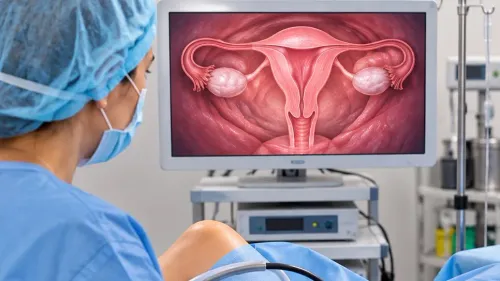
Colposcopy is an examination, not a treatment. You lie on an examination table with your feet supported, while the clinician inserts a speculum to view the cervix. Acetic acid and iodine highlight abnormal areas; a colposcope stays outside your body and magnifies the surface.
The clinician chooses sampling from the transformation zone, visible lesions, your screening result and whether the cervical canal is visible:
- Observation may be suitable when the examination is satisfactory and findings are low risk.
- A directed punch biopsy samples a visible or abnormal area for histopathology.
- Endocervical curettage collects cells from the canal when the transformation zone or lesion cannot be fully seen.
A CIN1 result is commonly monitored with repeat HPV-based testing rather than treated immediately. An unsatisfactory examination, a lesion extending into the canal, glandular cytology or concern about invasion requires a more decisive diagnostic plan, such as diagnostic excision or specialist referral.
Before the appointment, ask whether you need to avoid vaginal intercourse, tampons and vaginal medicines for a specified period. Report pregnancy before colposcopy: endocervical curettage and treatment of suspected precancer are avoided during pregnancy unless cancer is suspected.
If you search for a colposcopy doctor near me or colposcopy LEEP in Navi Mumbai, ask whether the clinician reviews your original reports, performs directed biopsy, arranges appropriate canal sampling and explains pathology follow-up.
When does colposcopy become LEEP or LLETZ?
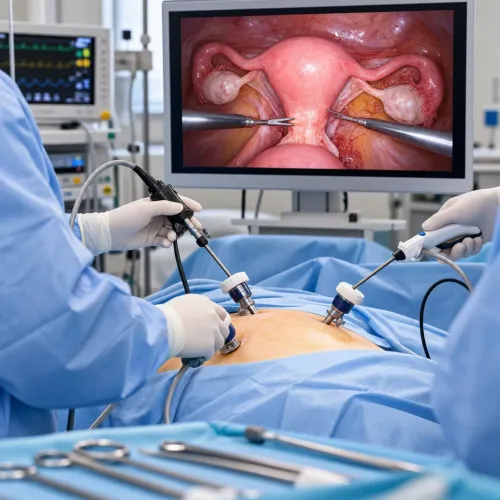
Colposcopy examines the cervix through a magnifying instrument and may include a directed punch biopsy or endocervical sampling. LEEP, also called LLETZ, is treatment: an electrified wire loop removes abnormal tissue from the transformation zone, and the specimen goes to histopathology.
| Procedure | What it does | Typical reason |
|---|---|---|
| Colposcopy | Examines the cervix; may take samples | Abnormal HPV or cytology result |
| Punch biopsy | Removes a small targeted piece | A visible lesion needs diagnosis |
| LEEP or LLETZ | Excises transformation-zone tissue | CIN2 or CIN3, uncertain diagnosis, or an unseen transformation zone |
LEEP or LLETZ is commonly considered when a biopsy confirms or strongly suggests CIN2 or CIN3, when an abnormal area must be removed to establish the diagnosis, or when the transformation zone cannot be assessed adequately. It is not routine treatment for HPV positivity, a minor cytology change, or CIN1.
If invasion is suspected, routine office LEEP is the wrong shortcut. The clinician needs an appropriate biopsy and specialist referral so cancer depth, type and spread are assessed correctly.
Adenocarcinoma in situ requires a separate plan. The excision must provide one intact, well-oriented specimen with interpretable margins; a fragmented loop specimen can be inadequate. Definitive surgery is often discussed after childbearing is complete.
Pregnancy changes the decision: avoid endocervical curettage and excisional treatment for suspected precancer during pregnancy, unless cancer is suspected. Discuss fertility before excision, especially if treatment may be deep or repeated, because cervical tissue removal can affect future pregnancy management.
“LEEP procedure Nerul” and “LLETZ treatment in Navi Mumbai” describe the same type of excision, not different treatment levels.
What happens during recovery and follow-up?
Colposcopy usually causes brief pressure from the speculum and stinging or cramping when samples are taken. Light spotting can follow a punch biopsy or endocervical sampling. LEEP, also called LLETZ, is different: after consent, medication review and pregnancy information, the clinician uses local anaesthetic and an electrified wire loop to remove transformation-zone tissue.
The removed tissue goes for histopathology. The clinician controls bleeding with cautery or another method. Expect pressure during the procedure, then period-like cramps, spotting, or watery or blood-stained discharge. Your instructions may include:
- Use pads rather than tampons.
- Follow the clinician’s advice about bathing, vaginal intercourse and swimming.
- Avoid strenuous exercise until advised.
- Ask when you can return to work or school; many outpatient patients need limited time away, but deeper excision can change recovery.
A search for LEEP procedure Nerul or LLETZ treatment in Navi Mumbai describes the same type of excision, not different treatments. Seek prompt assessment for heavy bleeding, fever, foul-smelling discharge or severe pain.
The pathology grade and whether abnormal cells reach an excision margin determine follow-up. A cervix that looks normal after LEEP does not prove clearance. After treatment for CIN2 or CIN3, HPV-based surveillance commonly starts around six months and continues long term, even after negative results.
Pregnancy changes sampling and treatment decisions: tell the clinician before examination, because some sampling and treatment are avoided during pregnancy.
How to choose the right cervical-care appointment in Navi Mumbai
Do not book a LEEP solely because a search result says “colposcopy leep in navi mumbai.” The right appointment depends on your complete screening history, pregnancy status and fertility plans.
Take this checklist when searching “colposcopy doctor near me”:
- Bring the original Pap or cytology report, HPV genotype result, previous screening records and every biopsy report.
- Ask whether the clinician performs colposcopy with directed biopsy.
- Ask whether endocervical sampling can be arranged when the canal is not fully visible or glandular disease is suspected.
- Confirm that specimens go to histopathology and that the clinician explains the report, excision margins and surveillance schedule.
- Ask how pregnancy, future fertility, excision depth and anaesthesia will affect the recommendation.
- Confirm the emergency contact arrangement for heavy bleeding, fever or severe pain.
- Ask where you will be referred if invasive cancer or glandular disease is suspected.
| Appointment | What it is for | What to confirm |
|---|---|---|
| Surveillance review | Low-risk or CIN1 findings | Date of repeat HPV-based testing |
| Colposcopy with biopsy | Abnormal screening needing tissue assessment | Directed biopsy and endocervical sampling |
| LEEP or LLETZ | Tissue removal for confirmed or strongly suspected high-grade disease | Depth, anaesthesia, histopathology and margin follow-up |
A search for “leep procedure nerul” or “lletz treatment in navi mumbai” should lead to a consultation, not an automatic excision. At Dr Agrawal Clinic Nerul Navi Mumbai, you can review the complete record and decide whether you need surveillance, colposcopy, biopsy or referral.
Related service
Colposcopy (Ancient Greek: κόλπος, romanized: kolpos, lit. 'hollow, womb, vagina' + skopos "look at") is a medical diagnostic procedure to visually... View service → |
Frequently asked questions
Which screening results usually lead to colposcopy?
Referral depends on your estimated immediate risk of CIN3+, using HPV genotype, cytology, age, previous screening and biopsy history. ASCCP risk-based guidance generally recommends colposcopy at an immediate CIN3+ risk of 4% or higher.
What does colposcopy show, and when is a biopsy enough?
Colposcopy magnifies the cervix and helps identify abnormal areas. A biopsy can provide the tissue diagnosis needed to monitor or treat cervical changes, depending on its grade and your overall risk.
When does colposcopy become LEEP or LLETZ?
LEEP, also called LLETZ, is considered when biopsy results confirm cervical changes that need removal, particularly high-grade lesions. The decision also considers lesion visibility, cervical canal findings, age and future pregnancy plans.
What happens during recovery and follow-up after LEEP or LLETZ?
Expect bleeding or watery discharge during healing and follow your clinician’s instructions about intercourse, tampons and strenuous activity. Attend the scheduled HPV or cervical screening follow-up because treatment does not remove the need for surveillance.
Keywords