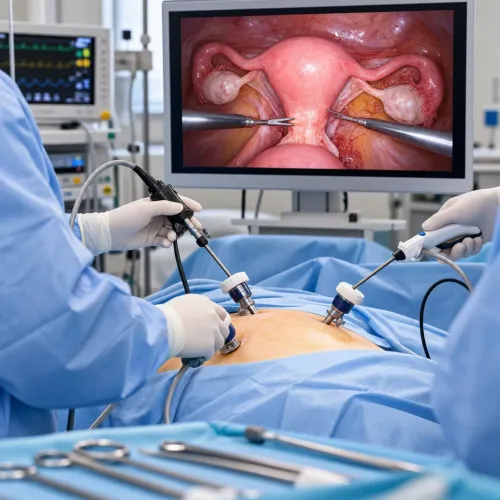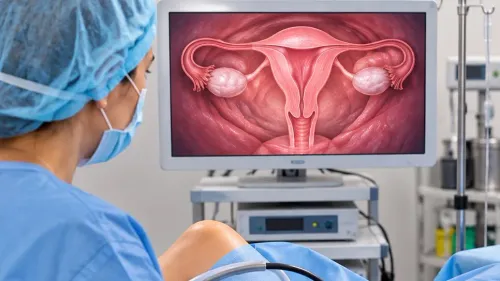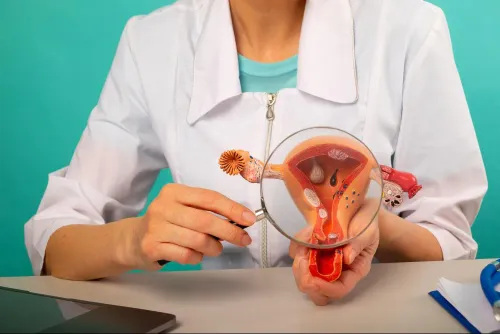
LEEP, or loop electrosurgical excision procedure, removes abnormal tissue from the cervix using a fine wire loop carrying an electrical current. It is commonly considered when cervical screening, colposcopy, and biopsy indicate changes that have a meaningful risk of progressing if left untreated.
LEEP is not performed merely because an HPV test is positive. The decision generally depends on the grade and location of abnormal cells, pathology findings, previous results, age, pregnancy status, and other clinical factors.
Why LEEP May Be Recommended
Cervical cell changes are often described as low grade or high grade. Some low-grade abnormalities can be monitored because they may resolve naturally. Higher-grade changes are more likely to require removal.
LEEP can serve two purposes:
- Removing the abnormal area as treatment
- Providing a tissue specimen for detailed laboratory examination
The pathology report helps confirm whether the abnormal cells were fully assessed and whether further monitoring or treatment is needed.
Questions to Ask Before the Procedure
Patients should understand the reason for treatment and the expected follow-up. Useful questions include:
- What did my biopsy show?
- Why is LEEP preferred over observation?
- How much cervical tissue is expected to be removed?
- What type of anaesthesia will be used?
- Could the procedure affect a future pregnancy?
- When will the pathology report be available?
- What follow-up testing will I require?
- What happens if abnormal cells extend to the specimen margin?
Women planning pregnancy should mention this before treatment. Most women can become pregnant after LEEP, but cervical procedures may have implications that should be discussed according to the depth and extent of tissue removal and the woman’s obstetric history.
Preparing for LEEP
The doctor may schedule the procedure with consideration for menstruation and pregnancy possibility. Follow instructions regarding food, medicines, and transport, as these vary depending on the anaesthesia and facility.
Tell the medical team about blood-thinning medicines, allergies, implanted electrical devices, bleeding disorders, and previous cervical procedures. Do not independently discontinue prescribed medication.
It can be useful to arrange a lighter schedule for the day of treatment and to keep sanitary pads available for the recovery period.
What Recovery Can Involve
Cramping, light bleeding, or watery and dark discharge may occur after LEEP. The treating gynecologist should provide instructions about bathing, swimming, exercise, tampon use, and sexual intercourse while the cervix heals.
Seek medical attention for:
- Bleeding heavier than expected
- Severe or worsening pelvic pain
- Fever or chills
- Foul-smelling discharge
- Dizziness, fainting, or marked weakness
Patients should not rely solely on symptom improvement. Follow-up remains essential because cervical cell changes can recur or persist without causing noticeable symptoms.
The Importance of Pathology and Surveillance
The removed tissue is usually examined by a pathologist. The report describes the grade of abnormality and may comment on whether abnormal cells are present at the specimen edges.
A clear margin can be reassuring, but it does not eliminate the need for future cervical testing. If margins are involved, the next step is not identical for every patient. Repeat testing, colposcopy, or further treatment may be considered according to risk.
Arranging Treatment in Navi Mumbai
Before selecting a provider for a LEEP procedure in Navi Mumbai, confirm that the complete pathway is available: review of screening and biopsy reports, informed consent, tissue examination, result interpretation, and scheduled surveillance.
At Dr Agrawal Clinic Nerul Navi Mumbai, patients can discuss whether LEEP is indicated and how the procedure fits into their cervical-health plan. A consultation should explain both the reason for removing abnormal tissue and the importance of continued monitoring afterward.
LEEP is most useful when it is based on appropriate diagnostic findings and supported by organised follow-up. Understanding the diagnosis, procedure, recovery precautions, and surveillance schedule can make the experience less uncertain and help patients participate confidently in their care.
Keywords